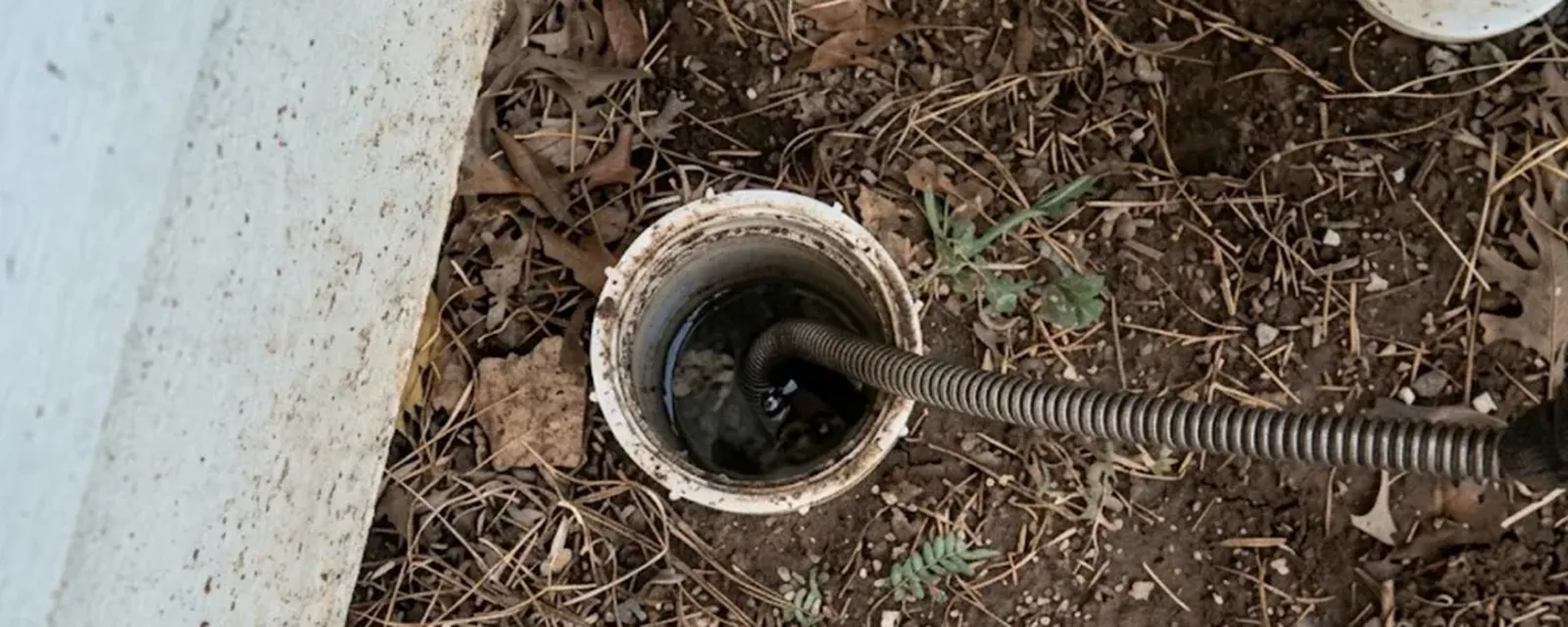
What a bio drain cleaner actually is
A bio drain cleaner, often sold as an enzyme or bacterial cleaner, uses living cultures or natural enzymes to break down organic material in a drain. The idea is that the microbes feed on grease, food residue, soap scum and other organic buildup and turn it into smaller, flushable pieces. There are no strong acids or caustic chemicals in the bottle.
The appeal is real. These products are gentler on pipes and on your hands than caustic drain openers, they have little smell and they can be used on a regular schedule without damaging fixtures. For a household that wants to reduce harsh chemicals under the sink, that is a good reason to try one.
The catch is speed and scope. Bio cleaners work slowly, often overnight or over several days, and they only act on organic material. They are a maintenance product, not an emergency tool, and the label often says so if you read it closely.
What bio cleaners can and cannot do
| Situation | Will a bio cleaner help? | Why |
|---|---|---|
| Slow kitchen drain from grease film | Possibly, with repeat use | Enzymes can digest light organic buildup over time |
| Soap scum and food residue in a sink trap | Possibly | These are organic and break down slowly |
| Hair clog in a shower | Rarely | Hair is slow to break down, and the clog is mostly physical |
| Toilet paper or wipes jam | No | A mass of paper needs mechanical clearing |
| Roots in the sewer line | No | Roots are living wood, not buildup |
| Solid object stuck in the pipe | No | A physical blockage needs to be removed |
| Fully blocked drain with standing water | No | There is no flow for the product to work in |
The pattern is simple. A bio cleaner suits a drain that is getting slower. It does not suit a drain that has stopped. Once the water stands still, you are dealing with a blockage that the product cannot reach in any useful time.
Using one properly
When a bio cleaner makes sense, the way you use it matters as much as the product you choose.
Start with a clean, warm trap
Remove any visible hair or debris from the drain opening first. Run warm water, not boiling, since heat can kill the bacteria that do the work.
Apply at night and leave it alone
Pour the dose the label calls for, then avoid running water down that drain for several hours. The product needs time in contact with the buildup, and overnight is the usual window.
Repeat on a schedule
Many people need several treatments before they see a change, and some use a small dose weekly as maintenance. If you see no improvement after a few doses, stop buying more and look for another cause.
Two rules are worth repeating. Never mix a bio cleaner with a chemical drain opener, because the chemicals kill the cultures and the combination can produce harmful fumes. And if you have already poured a caustic product down the drain, tell the plumber before they work on it, because standing chemicals are a hazard to anyone who opens the pipe.
When a bottle is the wrong move
A cleaner is not the right tool when the problem is bigger than buildup. Warning signs that you should skip the bottle and call a plumber include water backing up in more than one fixture, gurgling from drains, a sewer smell in the house, or a drain that is fully blocked.
Several drains acting up at once
When a tub, a sink and a toilet all drain badly, the blockage is usually in the main line, not in one fixture. A bio cleaner poured in a single sink cannot reach it, and waiting only increases the risk of a backup.
If a sewage backup has already started, stop using water, keep people away from the area and call our 24/7 line. Do not pour anything else into the drain, and do not run the washing machine or dishwasher, since that adds water to a pipe that has nowhere to send it.
Drain care that actually prevents clogs
Most clogs are built by habits, not by bad luck, so the best drain products are the ones you never need. A few simple routines do more than any bottle.
In the kitchen
Wipe pans with a paper towel before washing, and put cooled fat in the trash instead of the sink. Use a strainer in the drain to catch food scraps. Grease cools and hardens inside the pipe, and it is the main ingredient of kitchen clogs.
In the bathroom
Fit a hair catcher in the shower and tub drain, and clean it often. Toilets are for waste and toilet paper only, including so-called flushable wipes, which do not break down the way paper does.
In the laundry
Use a lint trap or a washing machine drain filter where one is possible, because lint and fibers collect in the line and join grease to form clogs.
What Millbrae homes need to know
Your lateral, your responsibility
Millbrae properties connect to a city-owned sanitary sewer system. Under the Municipal Code, the owner builds, maintains and clears the lateral, which is the pipe from the house to the city main, on their own lot. The city maintains only the short section between the cleanout and the main, and only when the cleanout is in the designated location.
That matters for bio cleaners because a product poured into a sink is cleaning the household drain, not the lateral. If roots or a crack are the real problem in the lateral, a bottle will not fix it. The code also lets the city require an owner to remove roots from a private lateral and make repairs within 120 days of notice, which is a good reason to find out what is in the line before it becomes an order.
The city's code also limits what may be discharged into the sewer, including fats and oils that cause interference, and it sets a local limit for oil and grease. That is aimed mainly at businesses with grease trap rules, but the same principle applies to a household: grease poured into the sink eventually ends up in the same pipes.
Cleaner, snake or jetting
The right method depends on what is in the pipe. A plumber chooses based on what a camera and a few simple tests show, not by guesswork.
DIY or what people try
- Bio or enzyme cleaner for a slowly draining sink
- A plunger for a single toilet or sink clog
- A hand drain snake for hair in a shower or tub
- Caustic drain openers poured in repeatedly
Professional approach
- A motorized cable to clear a blockage deep in the line
- A camera to see roots, cracks or a collapsed section
- Hydro jetting to scour the inside of the pipe wall
- A clear explanation of whether repair is needed after the cleaning
Cable machines break through a blockage, while jetting uses high-pressure water to scour grease and buildup off the pipe wall. If a drain keeps slowing down after cleaning, that is the sign to look at the pipe itself.
What to do and what not to do with any drain cleaner
Drain products cause real injuries when they are mixed or splashed, so a short checklist is worth reading before you open a bottle.
- Do read the label and keep the room ventilated while you work.
- Do wear gloves and eye protection for anything that is not a plain enzyme product.
- Do not mix two cleaners, including bleach, ammonia, acid and caustic products, because the fumes can be dangerous.
- Do not plunge or snake a drain that still holds a caustic cleaner, because it can splash back.
- Do not pour any cleaner into a toilet bowl that is standing full to the rim.
- Call a plumber and tell them what was poured down the drain so they can protect themselves.
Putting it together
A bio cleaner can be a reasonable part of routine care for a slow but flowing drain, especially in the kitchen. It is a poor choice for a stopped drain, a shared blockage or any problem that involves roots, solids or the sewer lateral.
If a slow drain keeps coming back, our drain cleaning team can clear it and tell you what caused it, and for greasy or scale-heavy lines our hydro jetting service scours the pipe clean. We work in Millbrae, the neighboring city of Burlingame and the other towns on our service area page. Call the 24/7 line for a clear price before work starts.
They are generally gentle on pipes and fixtures compared with caustic drain openers. Their limit is not safety but effect, because they only act on organic buildup and they act slowly.
Usually overnight or over several days, and often with repeat doses. If nothing has improved after a few treatments, the cause is probably not organic buildup.
Rinse the drain thoroughly first and wait, since leftover chemicals can kill the cultures in the product. Never mix the two, and tell a plumber if chemicals are still in the line.
No. Roots are living wood growing into the pipe, and enzymes or bacteria cannot break them down. Roots call for mechanical cutting or jetting, and often a repair of the pipe afterward.
Millbrae properties are on the city sewer, so septic products are not part of the picture here. In any case, a bio cleaner is a small maintenance aid, not a replacement for regular service.
The city's sewer code limits discharges that cause interference, including fats and oils, and it sets a local oil and grease limit mainly aimed at businesses. As a household, keep grease out of the sink and ask the city if you are unsure.
Sources and standards: Millbrae Municipal Code chapter 8.20 on sewer laterals. The sewer code's limit on oil and grease. The California Plumbing Code (based on the Uniform Plumbing Code).